
Managment Systems / Consulting
Management systems provide organizations with a structured approach to optimizing their operational processes. By implementing these systems, businesses can achieve higher efficiency, improved quality of products and services, and increased customer satisfaction. Additionally, they contribute to compliance with regulatory requirements, reduce risks, and enhance the company’s reputation. They offer a framework for continuous improvement and innovation, ensuring that businesses remain competitive in an ever-changing business environment.

-
Recording, evaluation and costing of the existing distribution circuit
Identifying the advantages and disadvantages of the existing distribution network
Defining and capturing customer needs
Categorization of customers based on their distribution costs
Standardization of Storage and Transport Units
Development of alternative scenarios for the organization of distribution channels aimed at maximum customer service at the lowest cost
Multi-criteria evaluation and optimal scenario selection
Calculation of the required number of vehicles according to the distribution channel
Configuration of performance indicators
Selection of organizational structure and design of the organizational chart
Defining responsibilities for each job position
Selection and evaluation of personnel
Human Resource Training
-
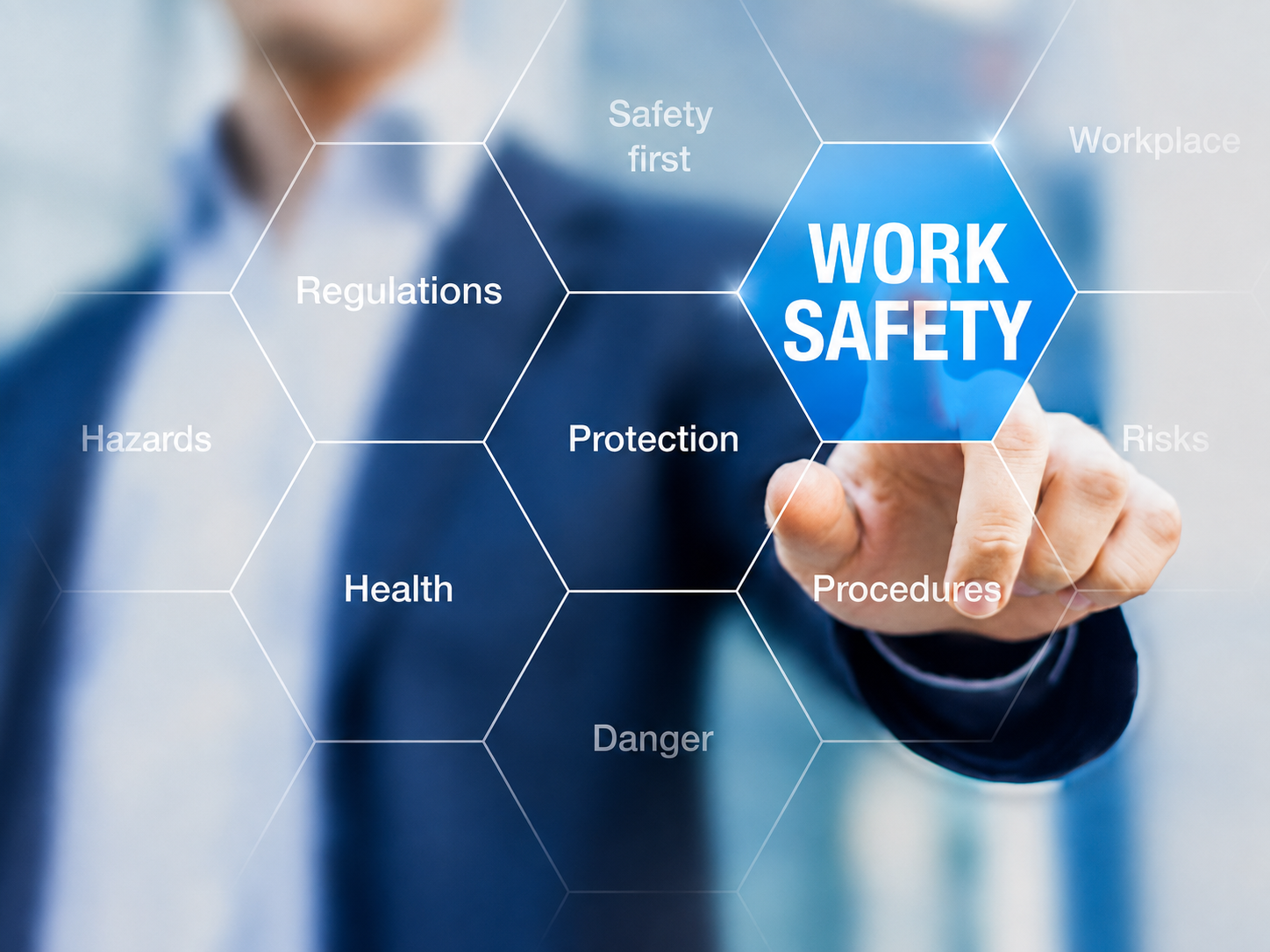
Health and Safety are the foundations for the proper operation of any business.
Our company offers services that will help a business to:
acquire the necessary knowledge about legislation concerning health & safety
identify health and safety hazards
recognize risks arising from organizational as well as psychological factors
understand the duties and responsibilities of a safety technician
gain knowledge about Personal Protective Equipment
comprehend the importance of signage and the concept of risk management
-
ISO 45001:2018 is an international standard that specifies the requirements for an occupational health and safety (OH&S) management system. This standard is designed to help organizations improve the safety of their employees, reduce workplace risks, and create better and safer working conditions. ISO 45001:2018 is an essential tool for any organization aiming to establish and maintain a safe and healthy working environment. By implementing this standard, businesses can achieve higher levels of safety, health, and well-being for their employees, while also improving their performance and reputation in the market.
-
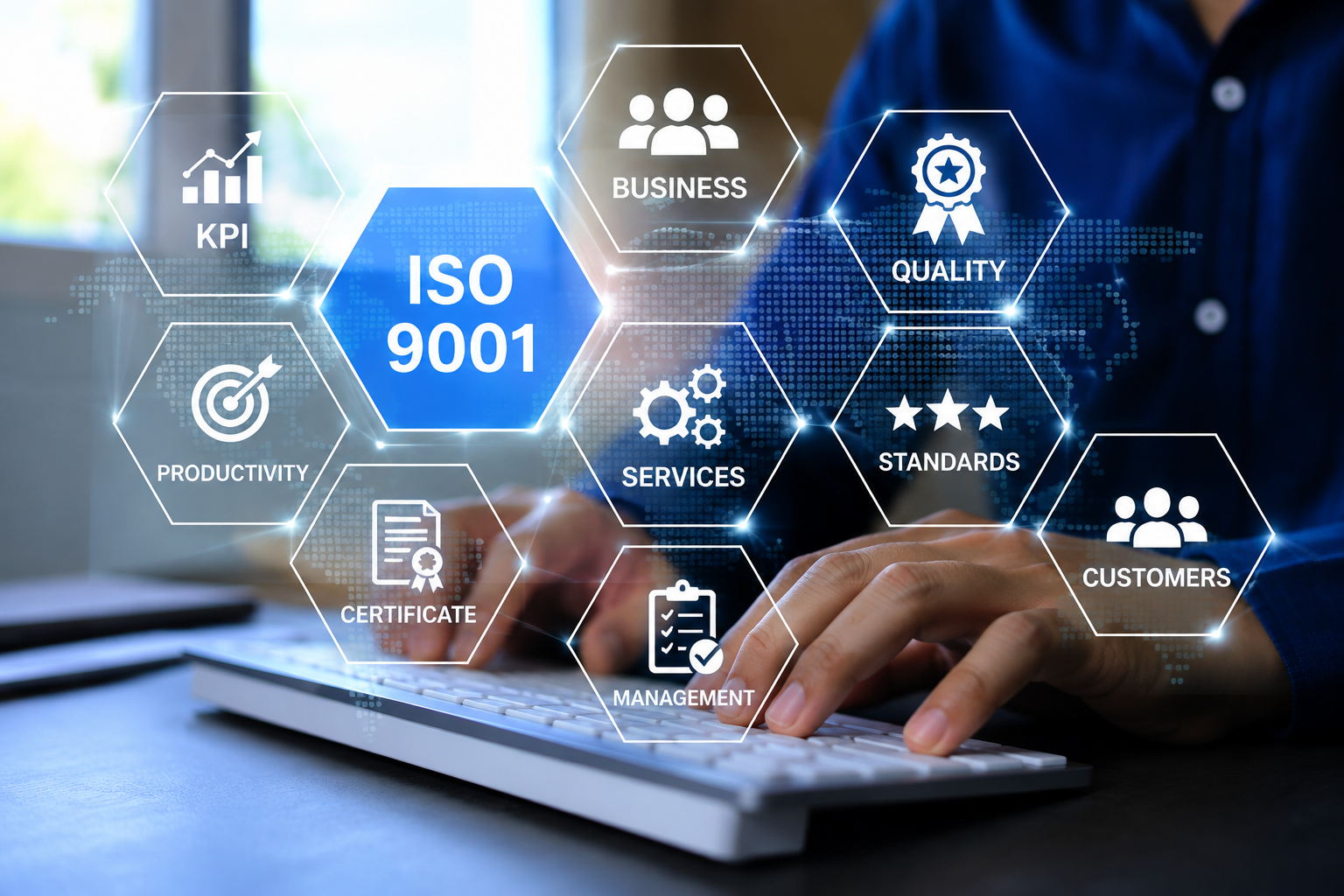
ISO 9001 is an internationally recognized standard for ensuring quality, both in products through specific processes and in the quality management of businesses. It serves as an operational model that, when implemented, ensures the expected quality of the products and services offered by a company. It is applied to the processes that produce the products and services a company offers. It provides a methodical and systematic control of business operations to ensure the satisfaction of customer needs and requirements. It is designed to be applicable to the production of any product or the provision of any service anywhere in the world.
Anaglyfo Consulting’s approach to implementing the ISO 9001 quality system is to apply a simple and functional system for the company so that the company can fully benefit from the potential of its implementation.
-
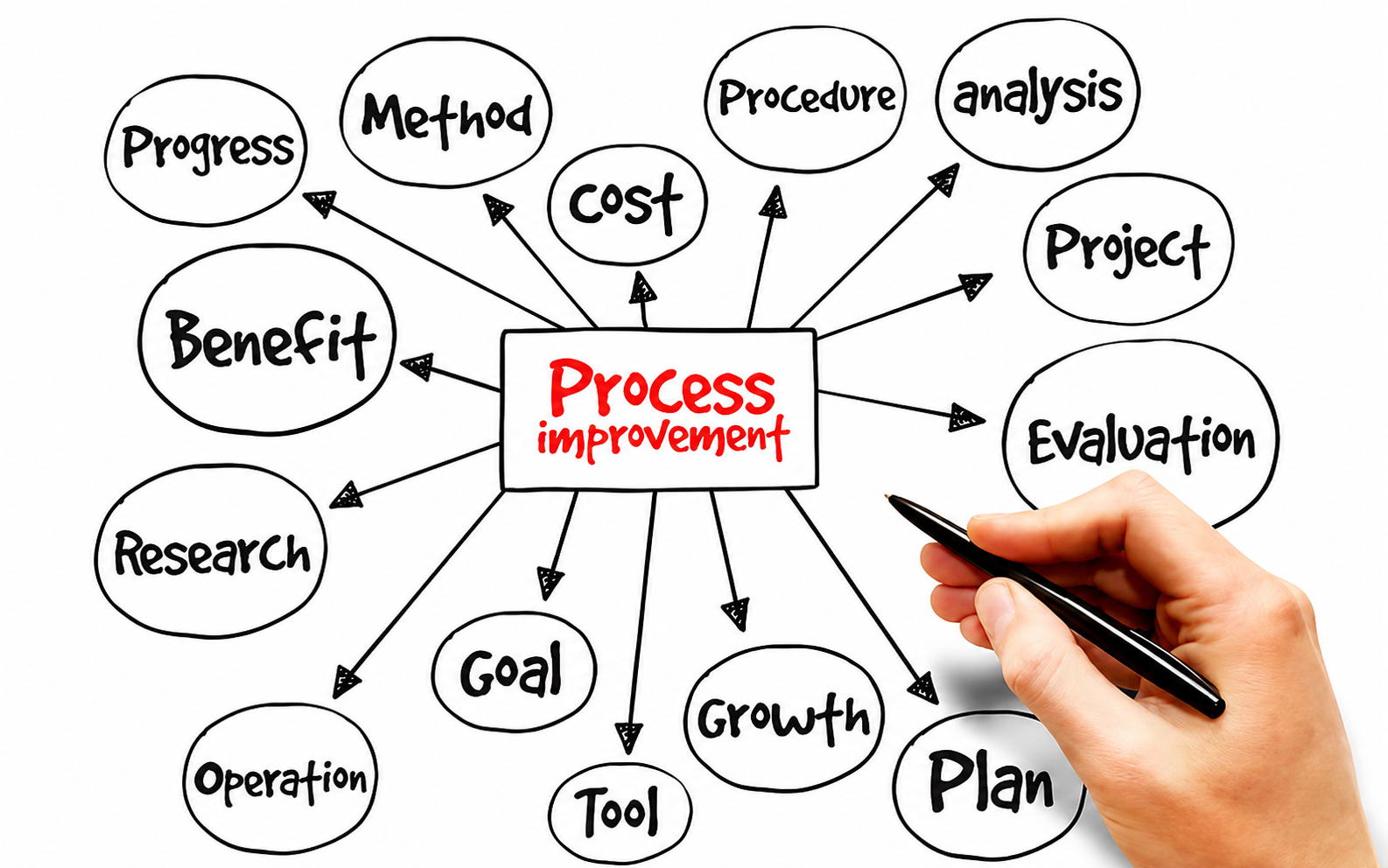
With the aim of solving the company’s internal problems, we analyze its operation and structure. We propose and undertake to implement solutions that reduce costs and improve efficiency, with the aim of increasing sales.
Our services offer:
Studies that include the analysis, documentation, operational planning and programming of implemented interventions and/or reorganizations
Provision of technical and advisory support for the implementation of reorganizations in various areas of the business.
Design and implementation of actions to manage changes and implement new proposals.

-
ISO 26000:2010 is an international standard that provides guidelines for Corporate Social Responsibility (CSR). The standard covers a wide range of topics including ethical business, governance, human rights, labor practices, the environment, fair operating practices, consumer protection and community involvement and development. Through adopting the principles of ISO 26000, organizations can enhance transparency, accountability and sustainability while improving their relationships with employees, customers, suppliers and the wider society. The standard promotes the achievement of a balanced and responsible development, contributing positively to society and the environment.
-
ISO 14001:2015 is an international standard that specifies the requirements for an Environmental Management System (EMS). This standard provides a framework that helps organizations protect the environment, reduce the negative environmental impacts of their activities, and improve their overall environmental performance. Through ISO 14001:2015, organizations can identify and manage environmental risks, comply with applicable legislation, and pursue continuous improvement of their environmental performance. The standard also enhances corporate responsibility and stakeholder trust, contributing to sustainable development.
-
The General Regulation of Personal Data Protection, which came into force in May 2018, is a modern challenge for all businesses, as in one way or another they store personal data of customers, partners and staff.The integrated Personal Data Protection System offers the Full Implementation of the principles of Personal Data Protection in accordance with the requirements of the General Regulation of the European Union (General Data Protection Regulation – GDPR – 2016/679).

-
ISO 22000:2005 is an international standard that defines the guidelines for a Food Safety Management System. The purpose of the standard is to ensure food safety at all stages of the supply chain, from production to consumption. The standard combines and unifies the basic principles of HACCP (Analysis Hazard and Critical Control Points) with the advancements of the quality management system, using a proactive approach to the identification and control of food safety hazards. By implementing ISO 22000:2005, organizations can improve transparency and trust in their production processes, comply with relevant legislation and regulations, and meet customer and consumer demands for safe and healthy products .
-
The correct creation of a viability study offers a clear picture of the conditions and the possibility of establishing a business or continuing its activity, responding to its short-term and long-term obligations. The company that plans an investment is able to implement what is foreseen for the investment to be sustainable and profitable, so that it pays off the investment cost and makes a profit.
Viability studies aim to highlight the strengths and weaknesses of an existing or proposed company, the opportunities and threats as presented in the external and internal environment of the organization, the resources required for operation and the prospects for success.